






Most people THINK they know a lot about sex.
They have watched sex, experienced sex, talked about sex with friends, and probably spent years absorbing ideas about what makes someone “good in bed.”
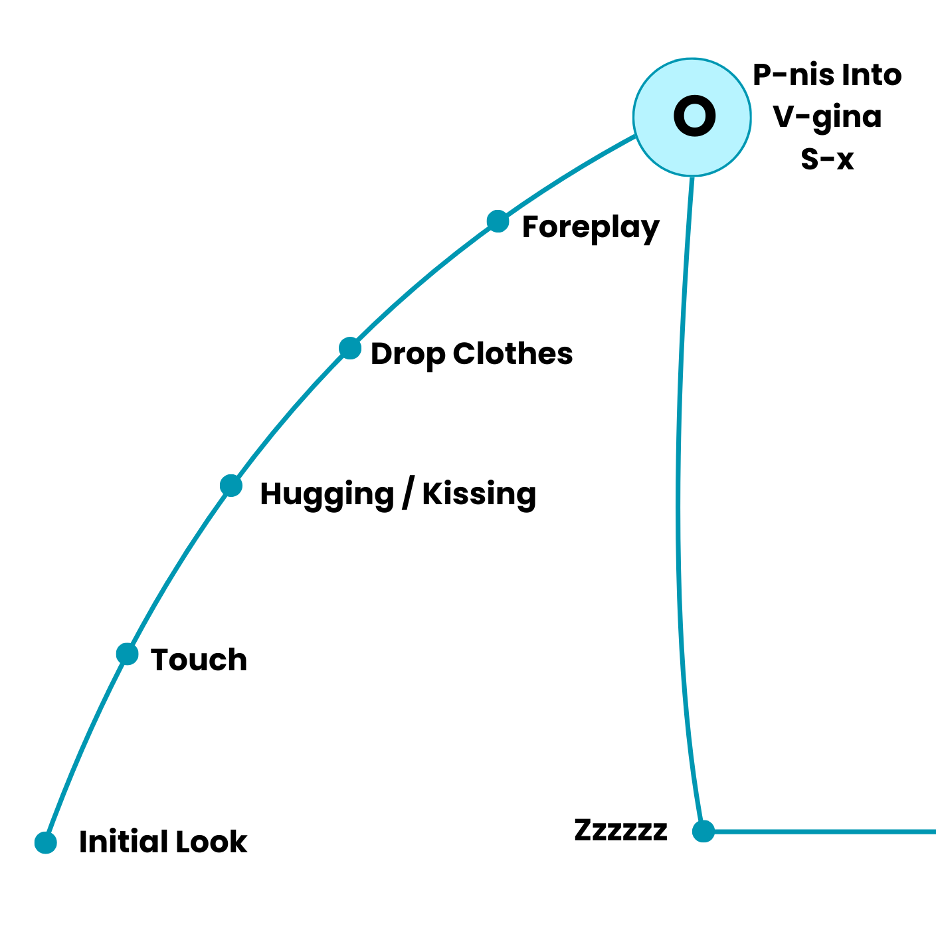
But 90% of what we know about sex comes from a very narrow script: attraction, kissing, touching, arousal, intercourse, orgasm. and repeat.
So here is a question worth sitting with: If you think you are great at sex, why are you still having problems in your sex life?
You already know all the techniques and the positions, BUT you still struggle to ask your partner for what you actually want in the bedroom. Maybe you know how to initiate sex, BUT you feel rejected every time your partner says NO. Maybe you are already having plenty of sex, BUT you still feel very little sense of playfulness or desire.
The problem is not that you don’t know enough about sex. But it is that you have been operating from a very limited definition of it.
We have made sex far too rigid
For most people, the word sex immediately means sexual intercourse.
We did a survey in our sex-positive Get Intimacy community, and 33% of them believe that sex = intercourse.
1 in 3 people believing that sex = intercourse is a huge problem.
With this mindset, everything else becomes a build-up to sex. Kissing is foreplay. Touching is foreplay. Talking about desire is foreplay. Even masturbation or exploring your own body somehow sits outside the definition of sex.
But what if these things don’t always have to lead somewhere?
What if touch can simply be touch?
A woman I worked with had slowly stopped being affectionate with her husband. She loved him and wanted to feel close to him, but intercourse had become uncomfortable, so she started avoiding it. Over time, she also stopped initiating kisses, cuddling and sensual touch because she knew they will create an expectation for intercourse. In her mind, if she wasn’t going to have “sex”, there was no point in starting anything at all.
She hadn’t lost her sexuality. She had simply made sexuality dependent on one particular act (like most people have!!)
And I see a similar rigidity in men, just in a different form. One client told me he had become exhausted from always initiating sex. Every attempt felt like a test. If his partner said no, he felt rejected. If she said yes but didn’t seem very engaged, he questioned his own skills. And when they did have sex, he felt responsible for making sure everything went well.
For him, sex had gradually become a performance – initiate sex, get aroused, maintain the erection, make sure she enjoys it, last long enough, make sure she is having a good time and then ofcourse, orgasm served on a platter for both.
He knew a lot about doing sex, but had very little space to simply experience being sexual.

Think about a person who is celibate –
This is where the idea becomes even more interesting. If someone chooses to be celibate, are they suddenly no longer sexual?
They can still experience attraction. They can still notice beauty, enjoy touch, have fantasies, feel sensual in their body and experience desire. Their sexuality hasn’t disappeared simply because intercourse isn’t happening.
So perhaps intercourse was never the definition of sexuality. It was simply ONE expression of it.
Sex can be much bigger than what happens between two naked bodies in a bed. Erotic breathing can be sex. Talking honestly with your partner about your sex life can be sex. Spending time touching yourself or your partner without an agenda can be sex. Feeling desire, anticipation, playfulness or sensuality in your own body can also be part of your sexuality.
Today ask yourself a different question
Instead of asking, “When was the last time I had sex?”, try asking, “When was the last time I felt desired?”
And then go one step deeper – “When was the last time I desired myself?”
Maybe it was when you got a great haircut and caught yourself in the mirror thinking you looked really good. Maybe you bought a sexy top and felt amazing wearing it. Maybe you were dancing alone in your room, or felt an expansive breeze against your face and suddenly felt completely alive.
These moments matter.
Sexuality is not only something that happens between two people. It is also something that lives inside you.
Three things to remember from this article :
- Sex is indefinite. Sex is expansive. Sex is limitless. The first step is to question the definition of sex you have inherited.
- Sex is NOT equal to intercourse. Touch, erotic breathing, talking about your sex life, exploring your body or your partner’s body, desire and sensuality can all be part of your sexual life. Experiencing pleasure through senses.
- Ask yourself when you last felt desired by yourself. Your sexuality doesn’t begin when your clothes come off. It is present in the moments when you feel alive, attractive, curious and connected to your own body.
A fulfilling sex life is NOT only about how much sex you are having.
It is about how much sexuality you are allowing yourself to experience.
– If this was valuable for you, please share your views in the comments. And if you would like to explore this possibility for yourself, let’s connect. You can book an appointment with me here.